


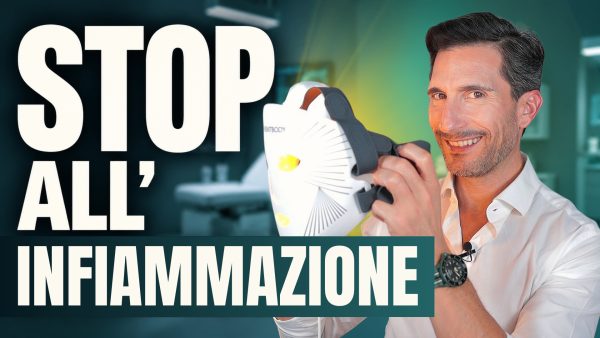
Winter Photobiomodulation: How to Use the 4 LED Light Colors to Calm Inflammation and Repair the Skin Barrier
With the arrival of the colder months, the skin faces constant physiological stress. Temperature fluctuations between outdoor cold and indoor heating, wind, and a physiological reduction in sebum production put the integrity of the stratum corneum to the test. Added to this environmental stress is often the schedule of in-clinic aesthetic medicine treatments: autumn and winter are the prime seasons for more intensive procedures such as ablative laser resurfacing, fractional microneedling radiofrequency, or deep chemical peels.
While these clinical protocols are highly effective for tissue remodeling, they inevitably trigger a controlled inflammatory response. In this context, making the mistake of overloading the skin at home with overly aggressive cosmetic actives risks fueling inflammaging—that silent, low-grade chronic inflammation that accelerates the breakdown of collagen and elastin fibers.
This is precisely where at-home photobiomodulation (LED light therapy) proves to be not just a cosmetic accessory, but a genuine supportive tool for skin longevity.
Why LED Light Is Strategic During the Colder Months
Unlike thermal or ablative light sources, light-emitting diodes (LEDs) work athermally, delivering energy directly to cellular photoreceptors (specifically cytochrome c oxidase within the mitochondria). This process stimulates the production of ATP—the primary energy currency of our cells—accelerating tissue repair mechanisms and modulating pro-inflammatory cytokines.
However, not all wavelengths act on the same biological targets. Next-generation at-home devices allow you to modulate different bands of the light spectrum, making it possible to customize treatments based on your skin’s actual needs and enhance the efficacy of topical actives applied in your daily routine.
The 4 LED Light Spectra and Ideal Cosmetic Synergies
To achieve tangible results, it is essential to pair each wavelength with coherent cosmetic formulations while strictly respecting application timing: lightweight, water-based serums can precede the session, whereas lipid-rich formulas or those containing retinoids must be applied strictly after the light treatment so they do not shield the photons or alter the stability of active ingredients.
- Red and Near-Infrared (NIR) Light – Deep Stimulation and Neocollagenesis This is the most extensively studied wavelength in anti-aging medicine. Penetrating down to the dermis, it directly stimulates fibroblasts to synthesize new collagen and elastin, improving skin density and elasticity.
- The ideal pairing: High-tech water-based serums formulated with biomimetic peptides, growth factors, and exosomes, capable of providing the biochemical signals and structural building blocks needed to support the cellular renewal triggered by the light.
- Blue Light – Adult Acne Control and Sebum Regulation Acting at a more superficial level, blue light is absorbed by the porphyrins produced by Cutibacterium acnes, generating a selective photodynamic reaction that reduces bacterial load and localized inflammation without damaging surrounding tissues. It is invaluable for managing adult acne breakouts, which are often exacerbated by stress or friction from winter scarves and clothing.
- The ideal pairing: Targeted treatments formulated with controlled-release next-generation retinoids, niacinamide (around 5%), and azeloglycine. These actives normalize cellular turnover and counteract post-inflammatory marks, but must be applied exclusively after the LED session.
- Yellow Light – Radiance, Drainage, and Microcirculation Working at the papillary dermis level, yellow light stimulates the lymphatic system and improves oxygenation and superficial microcirculation. It is the go-to choice for counteracting the dull, sallow, and asphyxiated complexion typical of winter while helping to even out skin tone.
- The ideal pairing: Fluid serums rich in a targeted pool of antioxidants (such as stabilized vitamin C derivatives and brightening peptides) to protect newly oxygenated tissues from oxidative stress and regulate melanogenesis.
- Green Light – Anti-Inflammatory Action and Barrier Support Indicated for reactive skin prone to diffuse erythema or sensitized by cold weather and in-clinic procedures. Green light helps calm superficial redness and modulates melanocyte activity, preventing post-inflammatory hyperpigmentation.
- The ideal pairing: High-tolerance soothing and barrier-repair emulsions, rich in skin-identical lipids and calming actives. Because they feature a richer, film-forming texture, they should be applied as the final step after the LED mask to lock in hydration and shield the skin.
Photobiomodulation and Scalp Health
The exact same biological principle of cellular biostimulation is also solidly validated in trichology. During the autumn and winter months, as well as periods of heightened psychophysical stress, hair follicles suffer from reduced microcirculation and perifollicular inflammation.
The use of LED light helmets dedicated to the scalp harnesses specific red wavelengths to reactivate bulb metabolism, prolong the anagen (growth) phase, and counteract hair shaft miniaturization—serving as an effective preventive and maintenance support for both men and women. Here too, pairing light therapy with lightweight trichological lotions formulated with soothing peptides and antioxidant actives (applied section by section after the session or before sleep) optimizes the scalp microenvironment and promotes stronger hair anchoring.
Consistency as the Key to Longevity
Investing in quality photobiomodulation devices only makes sense when integrated into a consistent, rational routine. LED light does not replace in-clinic aesthetic medical procedures, but represents their natural at-home extension: a safe, non-invasive, and scientifically grounded tool to guide the skin through winter, quiet inflammation, and preserve tissue integrity over time.