


Blog

Collagen: Stop Wasting Money. Here’s What Science Says.
Every day, thousands of people take collagen supplements in the hopes of “stopping time” and erasing wrinkles. But the biochemical truth is often different from what marketing suggests: a significant portion of these consumers are simply producing very expensive urine.
There’s a world of difference between ingesting collagen and producing collagen. If you’re taking a generic supplement hoping it will magically fly from your stomach to your skin, stop: biology doesn’t work that way.

Anti-Menopause Routine: How to Regenerate Collagen and the Lipid Barrier
Did you know that in the first five years of menopause, you lose about 30% of your collagen? After 40, your skin faces enormous challenges: declining estrogen, loss of skin lipids, and a drastic slowdown in cell turnover. As a cosmetic surgeon, my goal is not to transform, but to help you age healthily and harmoniously, protecting the health of your skin.
Retinol in Summer: Myth or Real Danger? The 6 Golden Rules of an Aesthetic Doctor
June arrives, the sun comes out, and widespread panic erupts on social media and in my comments section: “Doctor, should I stop using retinol now that I’m going to the beach? Am I going to get dark spots or burn my skin?”
This is perhaps the most common doubt when it comes to summer skincare, and every year, I see an alarming amount of misinformation online. Some suggest cutting it out drastically from May to October, while others claim you can safely apply it right under your beach umbrella.
THE SCIENCE OF SWEAT: How to Eliminate Body Odor in Summer (Without Irritation)
If you think that avoiding body odor in summer is just a matter of covering yourself in perfume or using any random deodorant, this article will completely transform your routine. As I recently shared in my Instagram Reel, sweat is actually completely odorless. Today, we will learn how to treat our underarms with the same care and attention we give to our face, discover why we shouldn’t confuse deodorants with anti-perspirants, and explore the scientific protocol for long-term control of excessive sweating that lasts even after showering. Let’s start with the biology of our glands!
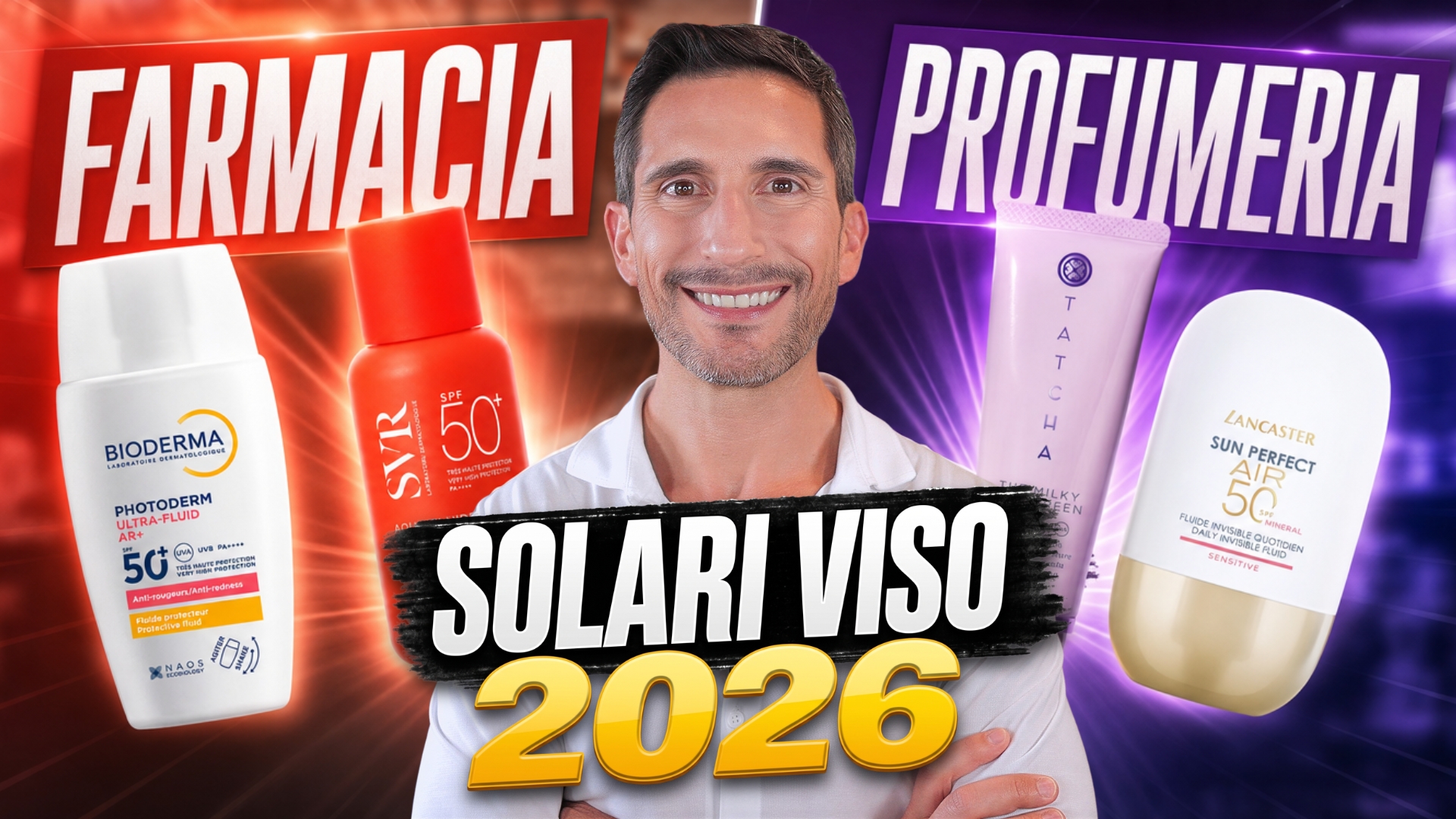
The Ultimate Guide to Facial Sunscreens 2026: Clinical Analysis of Dermatological Innovations
Have you ever purchased an SPF 50+ facial sunscreen intending to protect your skin’s health, only to find yourself a few hours later with burning eyes, a shiny complexion, or a flare-up of redness? If the answer is yes, it is not your fault, but rather the illusion of the “universal sunscreen.”
From a medical perspective, the skin has specific clinical needs that vary based on different biotypes and underlying skin conditions. Fortunately, formulation technology in 2026 has made massive strides. In this article, we will analyze the 12 main innovations of the year in the field of photoprotection, divided into 6 specific dermatological categories, to help you find your perfect formula without compromising between clinical efficacy and aesthetic finish.
Sagging Body Skin in Summer: The SOS Strategy combining Cosmetics and Aesthetic Medicine
With the arrival of the warmer months and the time to show more skin, one of the most frequent requests I receive from my patients, particularly those between 40 and 60 years old, concerns body skin laxity. The inner arms, the area above the knees, the abdomen, and the inner thighs suddenly seem to have “sagged” after the winter season.
Let’s be honest: by late June, last-minute miracles do not exist. Collagen and elastin take months to regenerate. However, we can act on a dual track: an immediate cosmetic SOS intervention to visibly improve the surface appearance of the skin, and a serious medical plan for the long term.
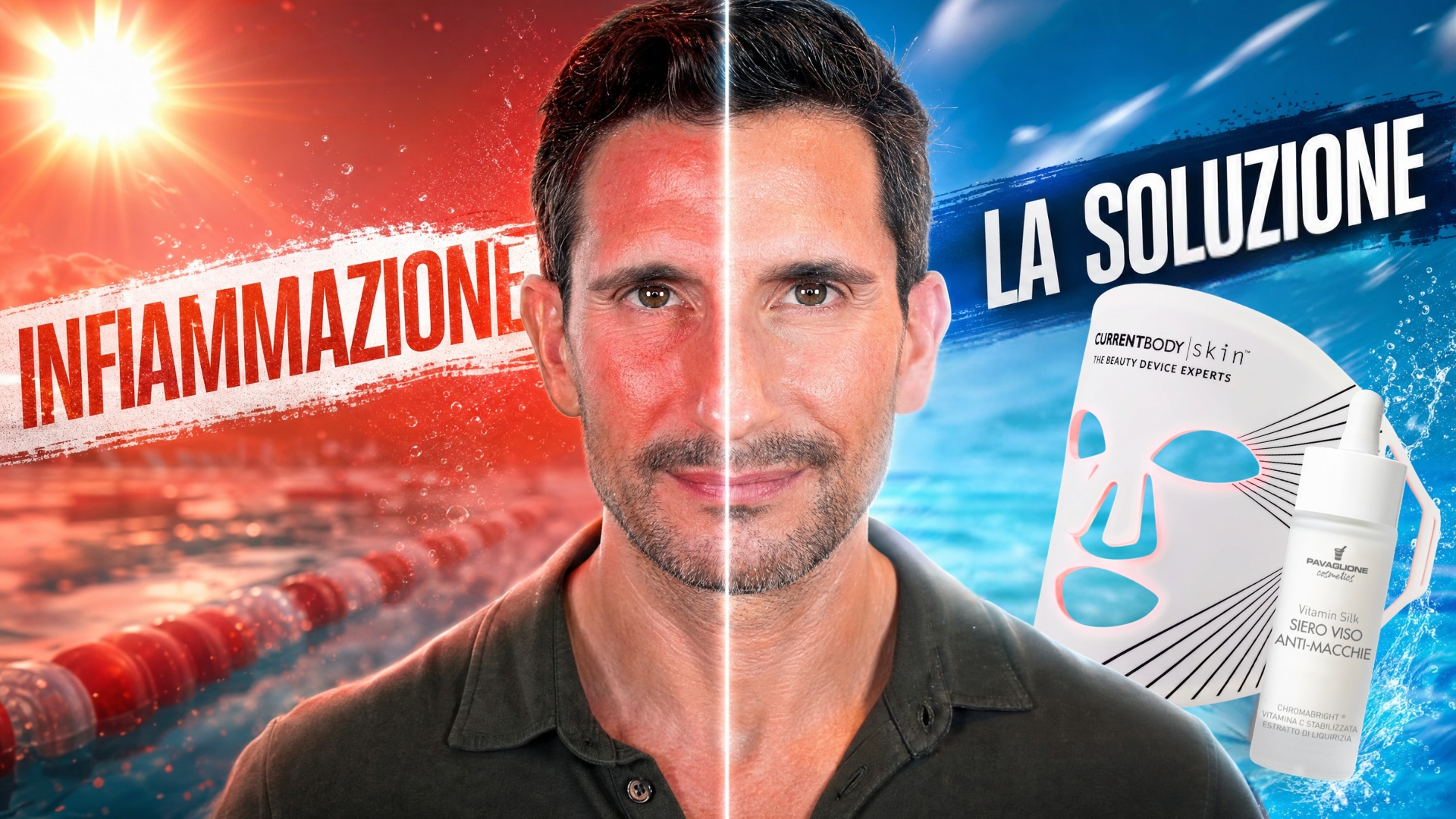
The Big Summer Mistake Staining Your Skin: How to Prevent PIH with LED and Tranexamic Acid
With the arrival of summer, beach days, and pool afternoons, our skin faces a significant amount of environmental stress. We often believe that the only solar danger is immediate sunburn or erythema, but an invisible enemy operates silently beneath the skin’s surface: inflammation. This inflammatory response, exacerbated by pool chlorine, sea salt, and prolonged sun exposure, triggers the dreaded post-inflammatory hyperpigmentation (PIH), which manifests as dark spots at the end of the season.

The Truth About Sunscreen: Science vs. Summer Fake News
If you have opened any social media platform over the last few weeks, you have undoubtedly run into alarmist videos and “information bombs” regarding summer skincare. “Chemical sunscreens are toxic and disrupt your hormones,” “Physical filters are the only safe option because they act as a mirror,” or even “Sunscreen is causing an epidemic of Vitamin D deficiency.”
As a physician, I feel it is my duty to set the record straight. Creating psychological terror around people’s skin health just to get a few extra views is not only wrong—it is dangerous for public health. Let’s take a few minutes to look at what the science actually says, backed by clinical data.

Skincare in Your Suitcase: What Actually Changes Between the Beach and the Mountains?
As summer vacations approach, the packing dilemma inevitably reaches our travel beauty case. Far too often, we make the mistake of simply relocating the exact same products we used in the city during the rest of the year, or relying on random product samples just to save precious space.
However, from a biological perspective, our skin reacts in radically different ways depending on the microclimate we expose it to. Subjecting the cutaneous tissue to the humidity and salinity of the beach requires a defensive strategy completely opposite to the one needed to face the dry air, wind, and high altitude of the mountains.
Understanding the science behind these environmental differences is the ultimate secret to avoiding returning in September with a compromised skin barrier, sweat-induced breakouts, or an acceleration of premature photoaging.

SOS Sunburned Skin: A medical guide to summer skin first aid
Uncontrolled sun exposure causes immediate damage to the skin barrier. Sunburn is not just a passing discomfort, but acute inflammation requiring a correct clinical approach.

Summer Skin Longevity: A doctor’s answers to your most common questions
Summer puts your skin to the test. I’ve gathered the four most common questions I receive during this season to provide scientific clarity.
Summer Skincare: 4 myths busted to protect your skin
Summer should be about relaxing, but it’s often a challenge for our skin. From unexpected breakouts to that “tight skin” feeling, common mistakes are easy to make.

Mature Skin in Summer: How to prevent sun damage and dark spots
Summer puts our skin to the test, especially mature skin. We often notice deeper wrinkles and new dark spots by the end of the holidays. Here are the answers to 4 crucial questions…

Back to the City: How to Regenerate Your Skin After Summer Without the Stress
The holidays are over, but our skin still tells the story of those long days spent in the sun, salt, and heat. It’s natural to look in the mirror, see a dull complexion, and immediately reach for a quick fix. However, coming back home is a delicate phase: your skin barrier is often still fragile and inflamed.

Back to the City: How to Remove Post-Summer Dullness Without Damaging the Skin
The end of summer almost always leaves its mark on our skin: the complexion appears dull, the texture thickens due to sun-defense hyperkeratosis, and the skin barrier becomes dehydrated. The most common temptation is to use shock treatments or harsh scrubs to “erase” the tan and restore radiance. However, this is the number one mistake to avoid. Aggressing skin already stressed by UV rays and saltwater only compromises the hydrolipidic film further, triggering inflammation and worsening dullness.
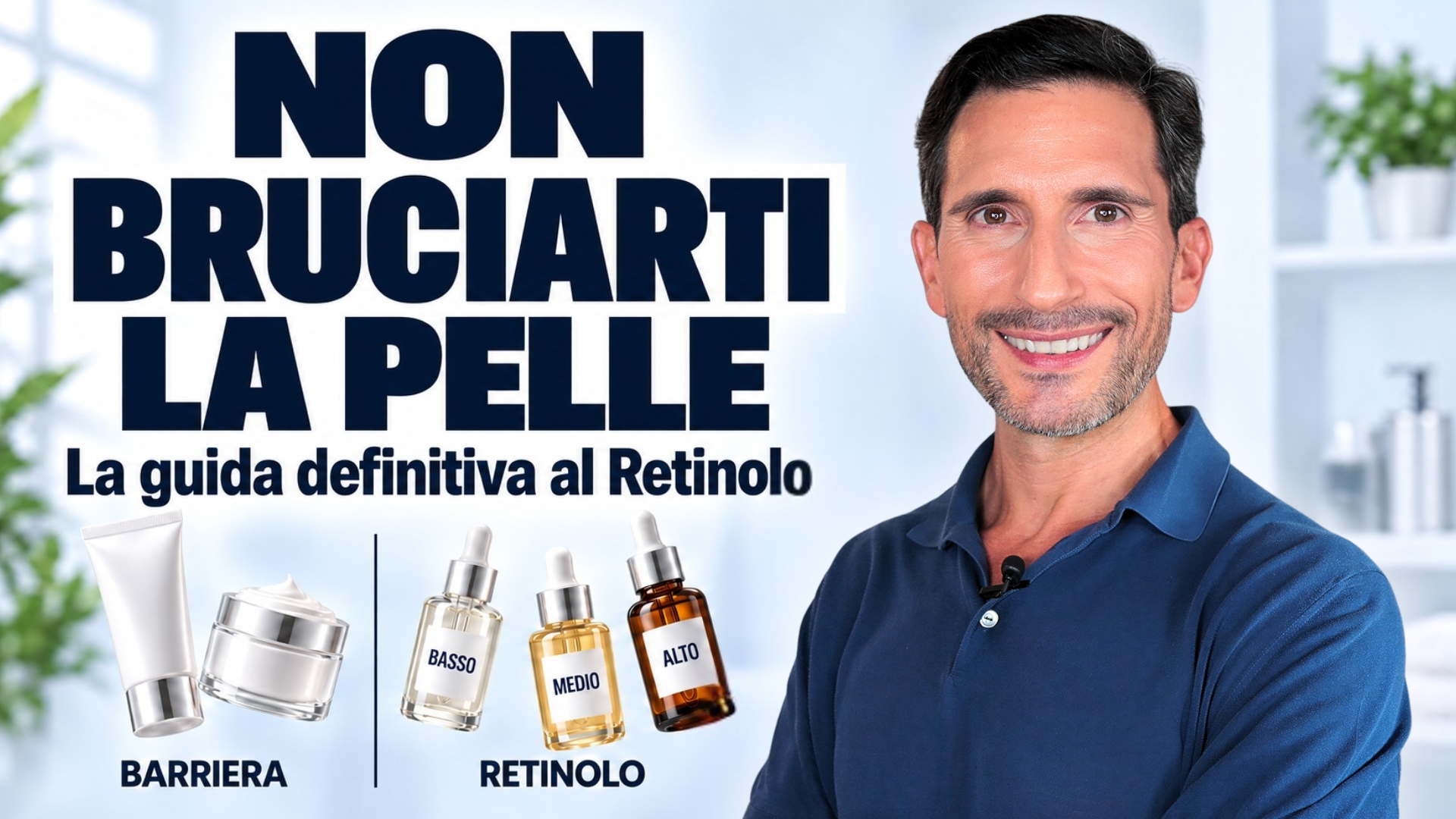
How to Introduce Retinol into Your Skincare Routine After Summer: The Ultimate Guide (With 3 Targeted Protocols)
Coming back from vacation is the ideal time to reset your skincare routine. After dedicating the first few weeks to restoring your skin barrier and removing dullness with gentle exfoliants (as we saw in our previous guide), it is time to introduce or resume the king of anti-aging active ingredients: retinol.
However, rushing into it or choosing the wrong formulation can cause redness and flaking. How do you find your way? The golden rule of the Dr. Campos Method is personalization: there is no single retinol for everyone, but rather a specific product tailored to your tolerance level and existing routine.
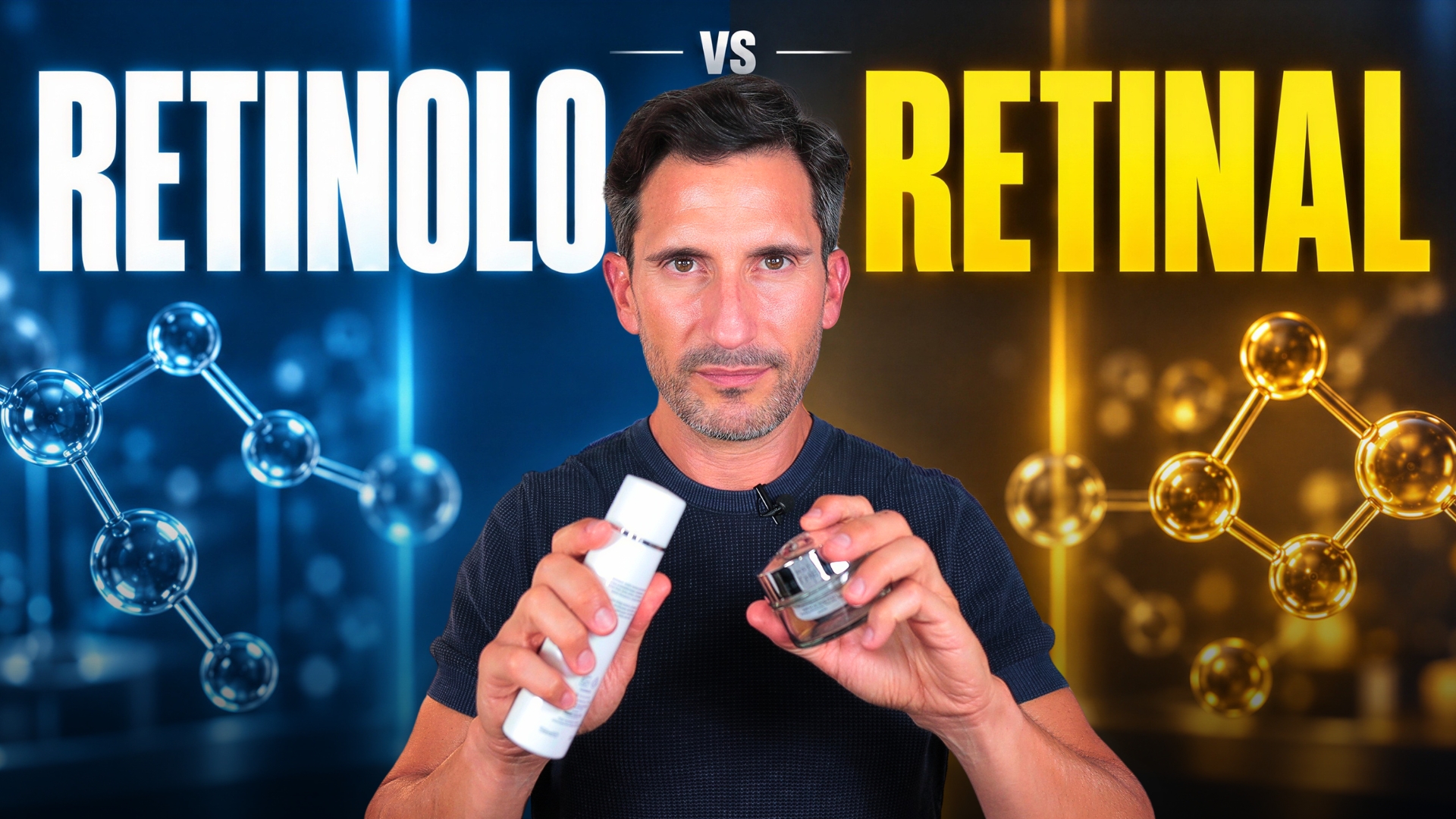
From Retinol to Retinaldehyde: Science, Biochemistry, and Tolerability of the New Gold Standard in Retinoids
In the vast landscape of cosmetic dermatology and at-home anti-aging treatments, retinoids continue to represent the absolute benchmark. Since their introduction, molecules like retinol have revolutionized the approach to skincare by stimulating cell turnover and collagen synthesis. However, scientific research never stops, and attention is now focused on an advanced derivative: retinaldehyde (or retinal). To fully understand why this active ingredient is redefining the boundaries of advanced skincare, it is necessary to analyze its biochemistry and behavior at the cutaneous level.